©bit245 from Getty Images via Canva.com
Table of Contents
Vitamin K1 and K2: Essential for Blood Clotting and Bone Health
Vitamin K, a key nutrient in the pantheon of vitamins, is essential for several critical bodily functions, primarily known for its role in blood clotting and bone health. It exists in two main forms: Vitamin K1 (phylloquinone), found predominantly in leafy green vegetables, and Vitamin K2 (menaquinone), which is found in animal products and fermented foods and can also be produced by gut bacteria.
Vitamin K is fat-soluble, which means it requires dietary fat for proper absorption and is stored in the body’s fatty tissue and liver. This vitamin plays a crucial role not only in the process of blood clot formation, which prevents excessive bleeding, but also in bone mineralization and calcium regulation, contributing to both bone strength and cardiovascular health.
A deficiency in Vitamin K can lead to excessive bleeding, which can manifest as easy bruising, bleeding gums, and nosebleeds. Severe deficiencies, although rare, can lead to hemorrhaging. Vitamin K is also increasingly recognized for its role in maintaining healthy bones, making its intake essential, especially in populations at risk of osteoporosis.
This article explores the significance of Vitamin K, outlines the symptoms of deficiency, and offers insights into optimal sources and methods for ensuring adequate intake.
Vitamin K in Our Vitamin Series
This blog article is part of a comprehensive series about vitamins. This post will wrap up this series on vitamins and next week we will start a series on minerals! Our clinic’s goal is to educate and empower our patients to achieve lifelong fat loss through a healthy. If you are just starting out your journey, it is recommended to start by understanding how we lose and gain weight, as well as understanding metabolism. These two articles are cornerstone pieces to making informed decisions about your health.
The Two Forms of Vitamin K: K1 and K2
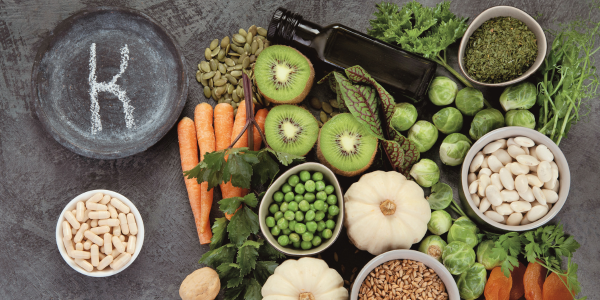
Vitamin K1 (phylloquinone), predominantly found in green leafy vegetables like spinach, kale, and broccoli, is primarily involved in maintaining normal blood clotting. This form of Vitamin K is efficiently absorbed when eaten with fats, as it is a fat-soluble vitamin.
Vitamin K2 (menaquinone) is produced by bacteria in the human gut and can also be derived from dietary sources like cheese, eggs, and fermented foods such as natto, a traditional Japanese food made from fermented soybeans. K2 is particularly noted for its role in bone health and cardiovascular health, helping to direct calcium to the bones and away from arteries and other soft tissues.
Health Benefits of Vitamin K
- Blood Clotting: Both forms of Vitamin K are essential for creating clotting factors that prevent excessive bleeding.
- Bone Health: Vitamin K2 activates proteins that play a part in bone formation and calcium absorption, making it vital for maintaining strong, healthy bones. Without it, cell signaling would be weak in our bone tissue.
- Heart Health: Vitamin K2 may help prevent vascular calcification, which is a risk factor for coronary artery disease.
- Amino Acid Metabolism: K2 plays a co factor role in this.
Dietary Sources of Vitamin K
Vitamin K1 Sources:
- Kale
- Collard greens
- Spinach
- Broccoli
- Brussels sprouts
Vitamin K2 Sources:
- Natto (fermented soybeans)
- Cheese
- Egg yolks
- Chicken, duck, and goose liver
©PhotrgraphyFirm Getty Images via Canva.com
What Happens if You Get Too Much or Too Little?
Deficiency Risks:
- Vitamin K deficiency can result in an increased risk of excessive bleeding and weakened bones. It’s most common in newborns, individuals with certain digestive disorders, and those on long-term antibiotic therapy.
Excess Risks:
- Although Vitamin K toxicity is rare due to its fat-soluble nature, excessive doses, particularly of synthetic forms, can pose risks, such as disrupting blood thinning medications.
Interaction with Medications:
- Vitamin K can interfere with anticoagulants such as warfarin. Patients on blood thinners should manage their Vitamin K intake carefully to maintain consistent levels.
This overview of Vitamin K encapsulates the vital roles both forms play in maintaining health, emphasizing the importance of a balanced diet to ensure adequate intake of both K1 and K2. As we transition from vitamins to minerals in our health blog series, maintaining an understanding of each nutrient’s role continues to be essential for optimal health. If you have specific health conditions or dietary concerns, consulting with a healthcare provider for personalized advice is recommended.
MD Diet Clinic has over four decades of expertise, we’ve proudly been a cornerstone in countless health and wellness journeys. We warmly invite you to embark on your transformative journey with us as your trusted partner.
Salt Lake clinic: 801-758-2130