Have you ever heard of negative-calorie foods? If not, let a weight loss specialist fill you in. Supposedly, Negative-calorie foods are foods that burn more calories when being chewed and digested than you gain from eating them. But do negative-calorie foods really exist? Or are they a myth? Let’s chew on this issue a bit and find out. Many vegetables are heralded as examples of negative-calorie foods including celery, lettuce, carrots, broccoli, and cucumbers. In addition to veggies, some proteins are touted as negative-calorie, such as salmon and chicken breast. Some believe these foods to be negative-calorie because they take quite a bit of chewing and digesting to get the calories from them.

To answer this question, as weight loss specialists, we took a look at the research. Here’s what we found. Studies showed that it takes so little energy to digest these negative-calorie foods that despite the minimal amount of calories they provide, you are still consuming more calories than you are burning. A good example to look at would be our favorite negative-calorie food, celery. Researchers found that one medium stalk of celery is about 7.5 calories. And that it takes 11 calories to chew celery for one hour and that it takes 5-10% of the calories consumed to digest the food. So if a person ate 30 stalks of celery in one hour the act of chewing and digesting the celery would burn about 22 calories of the 225 calories provided by the 30 stalks leaving your body with a surplus of 203 calories. So in reality, foods like celery or cucumbers would be considered low-calorie foods (yay!) but not negative-calorie foods (lame…).
There is one thing that is negative-calorie. Water! Water has zero calories. Yup, it actually takes more calories to heat it up to a usable temperature than it gives you. Whoa. Cool. So we can just drink lots of cold water and watch the pounds melt away, right? Not quite. In fact, to lose one pound of fat you’d have to drink 435 glasses of ice-cold water. But before you go stand under a waterfall with your mouth open hoping to lose weight, hold on just one second. If you actually drank that much water you’d be in danger of water toxicity, not to mention you would have just drunk 217 pounds of water… which kind of defeats the purpose of losing weight.
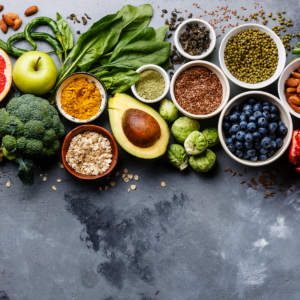
So now that we’ve shown that negative-calorie foods are a myth, what are some better ways to burn calories and lose weight instead? One way would be to aim to eat more nutrient-rich whole foods instead of processed foods. Studies show that you burn 20% of the calories you consume when digesting whole foods compared to burning only 10% of the calories consumed when digesting processed foods. By eating whole foods you are also giving your body the opportunity for a healthier and longer life by having more nutrient-dense low-calorie foods instead of high-calorie low nutrient foods.
While negative-calorie foods are as big of a myth as Bigfoot or the Loch Ness monster, many of these mythical negative-calorie foods are actually just low-calorie foods. Are these low-calorie foods like spinach, kale, and celery still great to have? Absolutely! You definitely should include them in your diet.
Finally, when learning about how to lose weight, remember to always make sure you get your information from credible sources (no, Buzzfeed and Twitter don’t count!) and that you are checking in with a weight loss specialist before making any big changes to your diet.
Speaking of weight loss specialists, here at MD Diet, we have a team of weight loss experts, including doctors, nurses, and nutritionists that can give you expert advice and create the most effective nutrition and weight loss plan for you, so that you can lose weight and have a healthier and happier lifestyle in no time!
Sources:
https://www.healthline.com/nutrition/negative-calorie-foods#fact-vs-fiction
https://fruitsandveggies.org/stories/about-the-buzz-some-foods-have-a-negative-calorie-effect/
https://www.chowhound.com/food-news/54270/does-drinking-ice-water-burn-calories/
https://foodandnutrition.org/blogs/stone-soup/whole-foods-vs-processed-foods-less-actually-better/
https://www.ncbi.nlm.nih.gov/pmc/articles/PMC524030/
https://pubmed.ncbi.nlm.nih.gov/20613890/